
Chess Technology Adviser & Replay Lab
Chess technology improves your training when each tool has a clear job. Use the Chess Technology Adviser first, then follow the route for engines, databases, online play, devices, accessibility, troubleshooting, future tech, or modern learning methods.
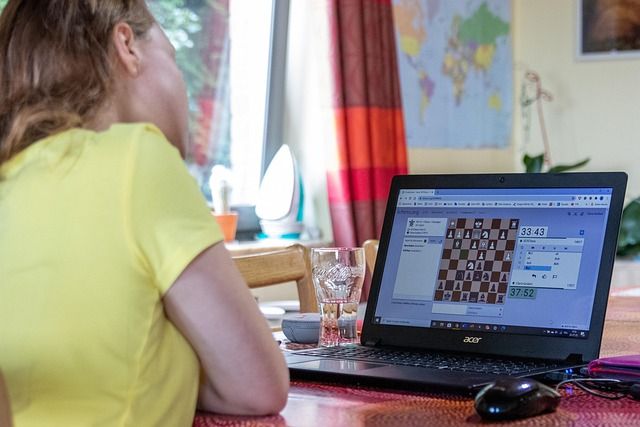
Chess Technology Adviser
Choose the chess technology route that fits your real problem: analysis, openings, online setup, comfort, replay study, or repeatable training.
Chess Technology Replay Lab
Use these games the way a strong database habit should work: pick a theme, replay the full game, then save one idea before using an engine or opening explorer.
Choose Your Technology Route
Each route keeps a different kind of chess technology in its proper place, so study becomes clearer instead of noisier.
Chess Engines and Artificial Intelligence
Use this route when your main problem is analysis, engine scores, computer suggestions, or understanding what AI has changed.
Databases, Explorers and Training Tools
Use this route when you need model games, opening preparation, tactical repetition, or a better way to organise study.
- Introduction to Chess Databases (ChessBase, SCID)
- How to Build an Opening Repertoire Digitally
- Best Software for Tactics and Visualization Training
- Using Online Chess Databases and Archives
- How to Use Opening Explorers Effectively
- Tactics Trainers and Daily Puzzles
- Drills and Repetition Systems: Endgames and Checkmates
- Guess-the-Move and Simulators
Online Chess and Fair Play
Use this route when your issue is online ratings, time controls, fair play, etiquette, streaming, or competitive online chess.
Devices, Apps and Cross-Device Play
Use this route when the problem is comfort, hardware, screen size, input accuracy, or moving between devices.
Visual Themes, Accessibility and Comfort
Use this route when recognition, fatigue, focus, board design, sound, contrast, or screen comfort affects your play.
Connectivity and Technical Troubleshooting
Use this route when the problem is lag, disconnects, packet loss, browser setup, hardware, or mouse slips.
Future Chess Technology
Use this route to explore where online play, AI opponents, wearables, virtual boards, and physical-digital tools may go next.
Modern Learning Methods
Use this route when you want a repeatable study method that combines books, engines, repetition, correspondence play, and review.
Chess Technology FAQ
These answers help you choose tools without turning chess study into software overload.
Technology basics
What is chess technology?
Chess technology is the use of engines, databases, online playing tools, training software, devices, and digital boards to study, play, and improve at chess. The main jobs are calculation, game storage, repetition, comfort, online play, and review. Use the Chess Technology Adviser to choose whether your next step should be engine analysis, database study, online setup, or training repetition.
How has technology changed chess?
Technology has changed chess by giving ordinary players access to engine analysis, huge game databases, instant online opponents, and repeatable training systems. The practical change is that players can now compare their own choices with engine lines, model games, and archived examples. Use the Chess Technology Replay Lab to watch how a model-game idea becomes easier to remember than a raw move list.
What is the best way to use chess technology without getting overwhelmed?
The best way to use chess technology without getting overwhelmed is to give each tool one clear job. Engines check calculation, databases provide examples, online tools provide games, and repetition systems build memory. Use the Chess Technology Adviser to reduce tool overload into one focused route.
Is chess technology replacing human chess skill?
Chess technology is not replacing human chess skill because players still need judgment, memory, time management, and practical decision-making. Engines reveal strong moves, but humans must decide what lesson matters and what can be repeated in a real game. Use the Chess Technology Adviser to keep each tool serving your chess decision instead of replacing it.
What chess technology should I start with first?
The chess technology you should start with first is the tool that solves your most frequent bottleneck. Game review needs an engine, opening confusion needs a database, online frustration needs setup checks, and memory failure needs repetition. Use the Chess Technology Adviser to select your first route before adding more tools.
Engines and artificial intelligence
What is a chess engine?
A chess engine is a program that analyses positions and suggests moves using calculation and evaluation. Its score usually reflects material, king safety, activity, pawn structure, and tactical resources. Use the Chess Technology Adviser to decide whether an engine should be your main tool or only a final checking step.
Are chess engines good for beginners?
Chess engines are good for beginners when they are used after human analysis rather than before it. Beginners usually need the reason behind a mistake more than a long engine variation. Use the Chess Technology Adviser to choose a beginner-safe routine that starts with your own candidate moves.
What does an engine evaluation like plus one or minus two mean?
An engine evaluation like plus one or minus two estimates which side is better and by roughly how much. A plus score favours White, a minus score favours Black, and one tactical oversight can swing the number sharply. Use the Computer Chess Evaluations route when the number needs a human explanation.
Why do chess engines suggest moves humans do not understand?
Chess engines suggest moves humans do not understand because they calculate concrete resources deeper than normal human pattern recognition. The move may depend on a hidden tactic, defensive resource, passed pawn, or endgame detail. Use the Chess Technology Adviser to separate confusing engine moves from practical review tasks.
Should I always play the engine's top move?
You should not always play the engine's top move because practical chess also depends on time, clarity, risk, and your ability to handle the resulting position. A slightly lower-ranked move can sometimes teach a clearer human plan. Use the Chess Technology Adviser to decide whether your next task is accuracy checking or practical plan selection.
What is the difference between a chess engine and chess AI?
A chess engine is usually a move-analysis program, while chess AI often refers to systems using machine learning, neural networks, or adaptive training methods. Some modern engines combine search with neural evaluation to judge positions more effectively. Use the Chess Technology Adviser to choose whether you need engine analysis, AI context, or a simpler training tool.
Databases and opening tools
What is a chess database?
A chess database is a searchable collection of games used to study openings, plans, players, structures, and endings. The strongest database work compares real games from similar positions rather than memorising isolated moves. Use the Chess Technology Replay Lab as a model for database study: pick a theme, watch a game, and save the idea.
How do chess databases help you improve?
Chess databases help you improve by showing how strong players handled positions you are likely to reach. A model game can reveal a pawn break, trade, attacking idea, or defensive setup more clearly than a bare move list. Use the Chess Technology Replay Lab to connect database-style study with one complete game.
Should I use a database or an engine first?
You should usually use a database before an engine for opening study and an engine before a database when checking tactical accuracy after a game. Databases answer what strong players actually played, while engines test whether a move works tactically. Use the Chess Technology Adviser to decide which tool belongs first in your current workflow.
How do opening explorers fit into chess technology?
Opening explorers fit into chess technology by showing move choices, game examples, and practical results from repeated positions. Their value comes from recognising plans, not copying statistics without understanding the middlegame. Use the Chess Technology Adviser to decide whether your opening problem is memory, overload, preparation, or review.
Can chess technology help me remember openings?
Chess technology can help you remember openings when database examples are paired with spaced repetition and model-game review. Memory improves when a move is attached to a structure, pawn break, or typical middlegame plan. Use the Chess Technology Adviser to choose the opening-memory route instead of collecting more lines.
Why do I forget engine opening lines so quickly?
You forget engine opening lines quickly because engine moves often lack a human story, structure, or repeated pattern in your memory. A move becomes easier to remember when it solves a visible problem such as development, king safety, a pawn break, or piece activity. Use the Replay Lab to turn a line into a model-game idea.
Online chess and technical setup
How has online chess changed training?
Online chess has changed training by making it easy to play many rated games, test openings, review mistakes, and practise under different time controls. The risk is that constant playing can replace thoughtful review if no routine is attached to the games. Use the Chess Technology Adviser to decide whether your online play needs more analysis, better focus, or a stronger setup.
What technology matters most for online chess?
The most important technology for online chess is a reliable device, stable connection, comfortable board settings, and a repeatable review method. Fancy tools matter less if lag, mouse slips, eye strain, or rushed decisions damage your games. Use the Chess Technology Adviser to choose between online setup, devices, troubleshooting, or review.
How do I reduce mouse slips in online chess?
You reduce mouse slips in online chess by using a stable mouse or touch device, comfortable board size, deliberate move confirmation habits, and a calm time-control routine. Most slips happen when speed pressure combines with poor interface comfort. Use the Chess Technology Adviser to move toward hardware setup and mouse-slip prevention.
Does internet lag affect online chess games?
Internet lag can affect online chess games because delays, packet loss, and reconnects can disturb time management and move confidence. The practical issue is not only lost seconds but also the stress created by an unstable playing environment. Use the Chess Technology Adviser to decide whether troubleshooting should come before more training.
Is mobile or desktop better for online chess?
Desktop is usually better for long games and analysis, while mobile is often better for casual play and quick review. Screen size, input accuracy, posture, and focus matter more than the device label itself. Use the Chess Technology Adviser to choose whether mobile, desktop, tablet, or hardware setup fits your current problem.
Can screen settings affect chess performance?
Screen settings can affect chess performance because board size, piece design, contrast, brightness, and fatigue influence recognition speed. A player who misreads pieces or squares is not always making a chess mistake; sometimes the visual setup is the problem. Use the Chess Technology Adviser to choose the comfort and accessibility route.
How should I analyse my own games with technology?
You should analyse your own games by checking your thoughts first, marking the critical moment, and then using an engine to test the position. This order protects your calculation skill while still using computer accuracy. Use the Chess Technology Adviser to choose the game-analysis route before turning the engine into a crutch.
Training routines and fair play
What is the biggest mistake players make with chess technology?
The biggest mistake players make with chess technology is using too many tools without a clear question. Tool overload creates activity but not necessarily learning, especially when engines, databases, puzzles, and videos blur together. Use the Chess Technology Adviser to reduce the session to one decision, one tool, and one follow-up action.
Can chess apps make you better at chess?
Chess apps can make you better at chess if they create deliberate repetition, focused review, and measurable feedback. Apps are less useful when they only encourage fast playing without reflection. Use the Chess Technology Adviser to decide whether your app use needs tactics, analysis, openings, comfort, or routine structure.
Are tactics trainers enough to improve?
Tactics trainers are not enough to improve because chess strength also needs opening understanding, positional judgment, endgame technique, and game review. Tactics are vital, but they work best when connected to mistakes you actually make in games. Use the Chess Technology Adviser to pair tactics practice with database review or engine analysis.
What is spaced repetition in chess study?
Spaced repetition in chess study means reviewing positions, moves, or ideas at planned intervals so they stay in long-term memory. It works especially well for openings, checkmate patterns, endgame rules, and recurring tactical motifs. Use the Chess Technology Adviser to decide whether spaced repetition should be your next learning method.
How can I build a simple chess technology routine?
You can build a simple chess technology routine by separating play, review, database study, tactics, and memory work into short focused sessions. A stable routine beats a complicated software stack because each session has one measurable job. Use the Chess Technology Adviser to turn your current problem into a single technology routine.
When is engine use cheating in chess?
Engine use is cheating in chess when it gives live assistance during a game where outside help is not allowed. Post-game analysis, training, and study are legitimate because the game is already finished. Use the Chess Technology Adviser to keep analysis tools in the right part of your chess routine.
How does fair play technology work in online chess?
Fair play technology looks for suspicious patterns such as unnatural move accuracy, timing behaviour, repeated engine-like choices, and account-level evidence. The goal is to protect honest games while recognising that strong moves can also be found by humans. Use the Chess Technology Adviser to decide whether fair play, etiquette, or online setup is the issue to review.
Will AI change chess coaching?
AI will change chess coaching by making analysis faster, more personalised, and easier to repeat, but human coaching still matters for judgment and priorities. A coach or study plan decides which mistakes deserve attention rather than treating every engine suggestion equally. Use the Chess Technology Adviser to decide when AI context should support a human training plan.
Are electronic boards useful for online chess?
Electronic boards are useful for players who want a physical-board feel while saving or transmitting moves digitally. Their value is strongest for comfort, notation, training flow, and players who dislike staring at a screen. Use the Chess Technology Adviser to decide whether e-boards and dedicated devices are worth exploring.
What is the future of chess technology?
The future of chess technology is likely to combine stronger AI analysis, more personalised training, better online play environments, and more natural physical-digital boards. The most useful future tools will reduce confusion rather than simply add more data. Use the Chess Technology Adviser to decide which current habit prepares you best for that future.
Replay lab and practical study
Why use replay games on a chess technology page?
Replay games belong on a chess technology page because databases and engines are most useful when they lead to a human idea. A complete model game shows how one plan develops through opening, middlegame, and ending. Use the Chess Technology Replay Lab to turn tool output into a memorable chess pattern.
Which replay should I study for engine evaluation practice?
Study Capablanca vs Tartakower for engine evaluation practice. The game shows how activity, passed pawns, and king placement matter more than simply counting material. Use the Chess Technology Replay Lab to compare the human plan with what an engine number would be trying to explain.
Which replay should I study for database-style opening learning?
Study Janowski vs Capablanca for database-style opening learning. The game shows how an opening structure can lead to a queenside file-control plan rather than a memorised move list. Use the Chess Technology Replay Lab to connect opening moves with a complete middlegame plan.
Which replay should I study for tactical training technology?
Study Alekhine vs Yates or Tal vs Lisitsin for tactical training technology. Both games show how forcing moves and active pieces create concrete positions worth testing. Use the Chess Technology Replay Lab to pause before tactics and name candidate checks, captures, and threats.
Which replay should I study for endgame and conversion tools?
Study Botvinnik vs Boleslavsky or Rubinstein vs Duras for endgame and conversion tools. Both games show how a technical advantage becomes easier when the winning side reduces counterplay. Use the Chess Technology Replay Lab to watch how a model game teaches what an endgame tool should reinforce.
Which replay should I study if online play makes me rush?
Study Petrosian vs Korchnoi if online play makes you rush. The game rewards restraint, pressure control, and refusing emotional reactions. Use the Chess Technology Replay Lab as a calm reset before returning to fast online games.
How do I turn replay study into a technology routine?
Turn replay study into a technology routine by choosing one game, one theme, and one follow-up review task. The routine is stronger when a database game, engine check, and memory note all reinforce the same idea. Use the Chess Technology Adviser to choose the route, then use the Replay Lab to anchor the lesson.
Chess Technology is our tool in the modern chess era: engines, databases, replay games, online setup, devices, accessibility, and learning routines all work best when each has a clear job.
Back to Chess Topics